Do you say, "I just don't feel like me"?
Are you waking at 3am feeling overwhelmed and can't get back to sleep?
Is your confidence missing and you can't think clearly?
You are in the right place!
Hi, I'm Dr Mandy Deeks
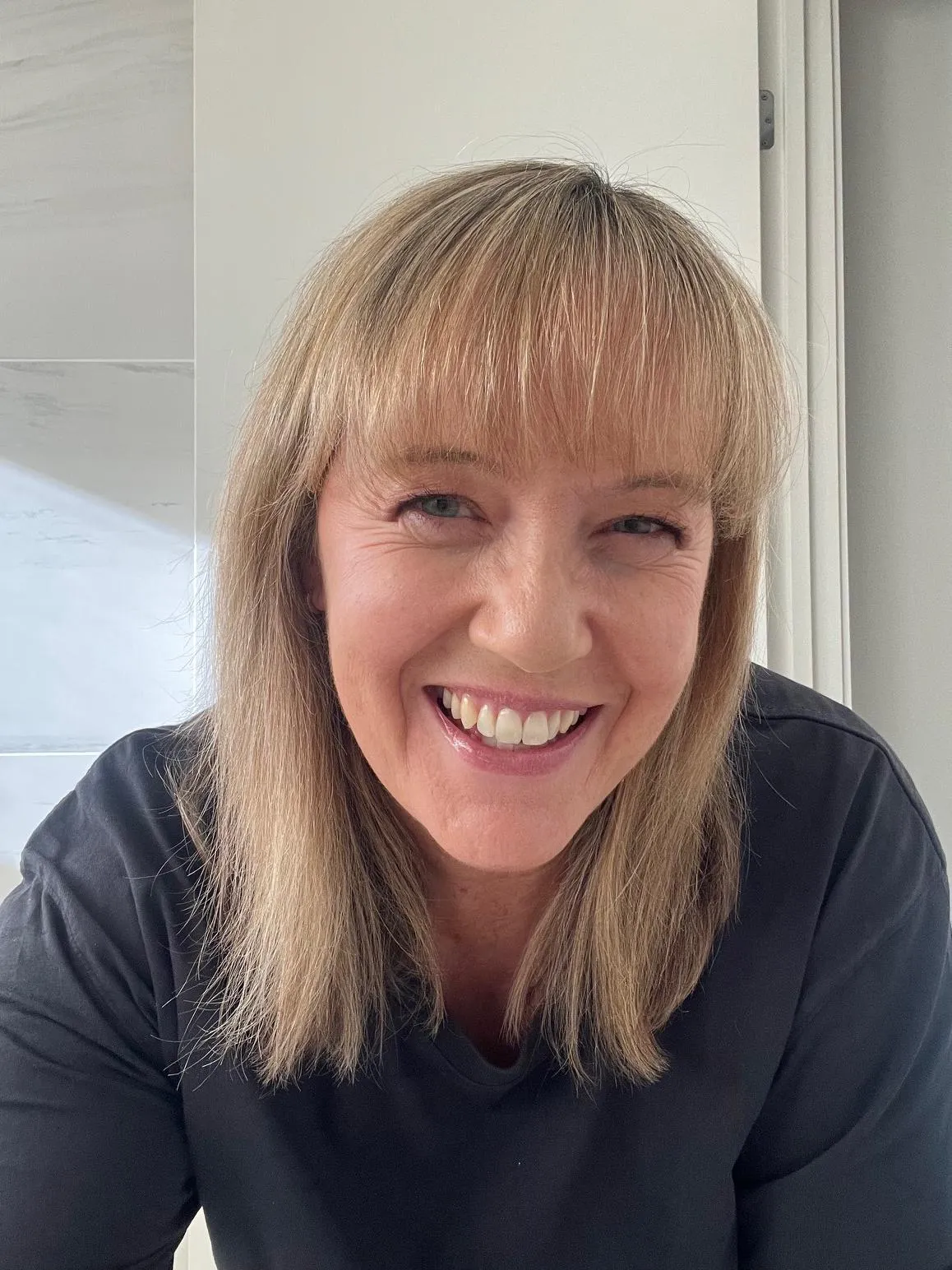
-I am a psychologist, researcher and educator with over 30 years working in the midlife and menopause space.
-Not only have I studied menopause, I have been going through it myself for 20 years.
-My passion is taking research and knowledge, and putting them into easy to understand online courses, information, practical skills and support.
-That's why I created Midlife Moments
Life Begins With Menopause
Finding your confidence again
Make sense of the emotional, & mental changes of peri/menopause & midlife
For women aged 38+
Self-paced interactive online course
Videos and workbooks on all the important stuff delivered straight to your dedicated learning portal:
Emotions and mood
Body image
Confidence
Finding your purpose
Boundaries
Advocating for yourself
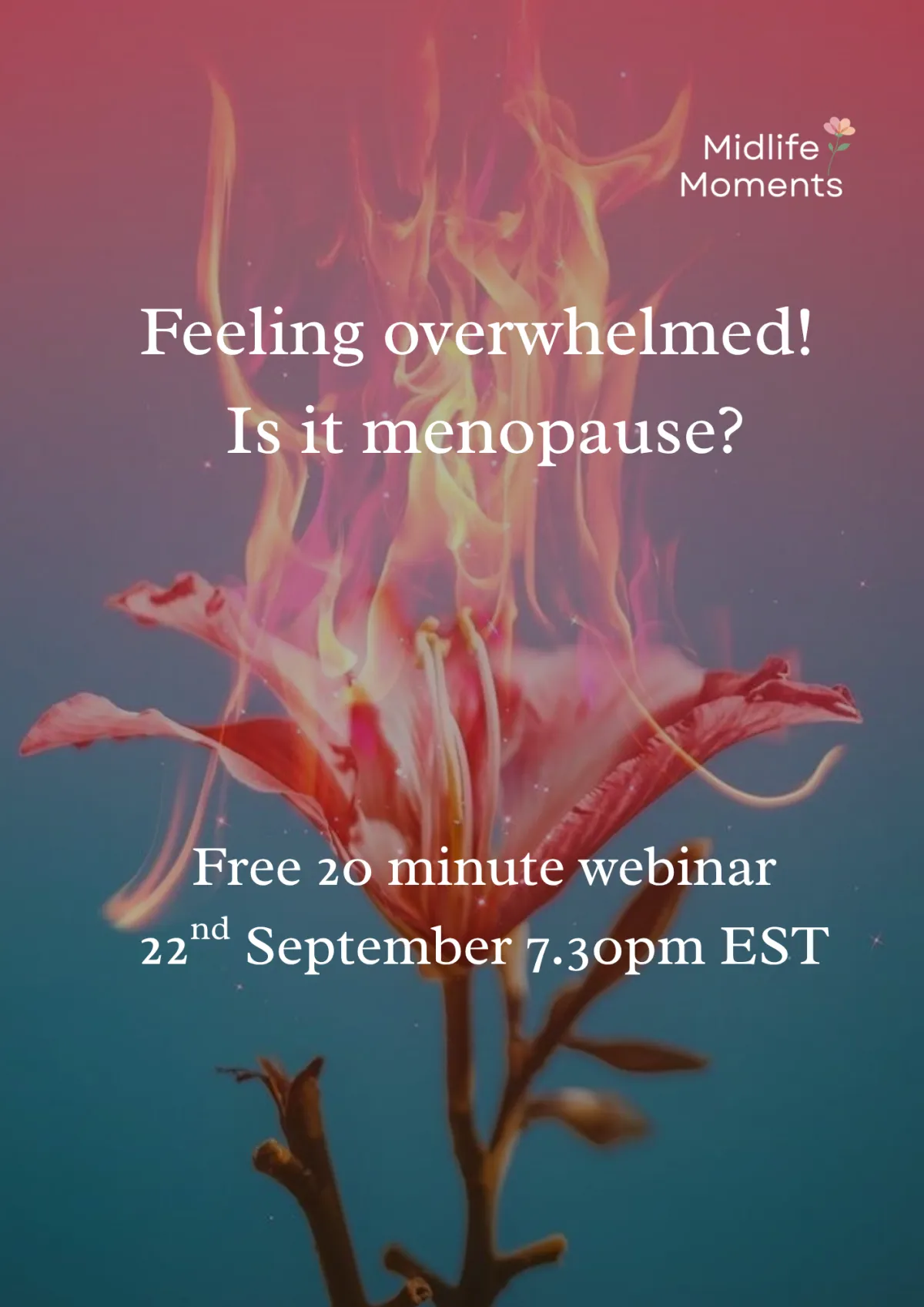
The webinar is over
But you can get a free copy to watch!
If you have been feeling overwhelmed by menopause symptoms and even just life in general, check out the recording of our recent webinar. It is 20 minutes of information and strategies that can help with mood, changes to your body and an introduction to our new confidence map of menopause. Just click on the button below and we will send you a link to the video to watch.
Take our free online quiz
Am I crazy or is this peri/menopause?
Are you running hot sometimes, exhausted, lost your way, and are just plain cranky?
Have there been changes to your body that you can't quite find a cause for?
Have there been changes to the relationships in your life maybe with a partner or friends?
Take this free quick quiz to discover what's changing, and what might help
Get your free workbook
'Why don't I feel like me anymore?'
Have you found your sleep is changing, you wake at 3am, can't stop thinking, and then wake early again?
Do you sometimes feel overwhelmed by things that never used to stress you.
In this short workbook you will find questions and tools to help you explore what might be happening to your sleep, brain fog and stress.
Mini-course
Too wired to sleep, too foggy to think!
The first sign your hormones are changing are problems with sleep, and the next symptom up to 80% of women experience, is brain fog. No wonder we are stressed!
In the mini course you will learn about perimenopause, menopause & midlife, sleep, energy, brain fog and stress
Included are 3 videos and workbooks to download & work through at your own pace giving you skills and strategies to survive this time of life
$37 (+GST)

Every woman's experience of peri/menopause is different
Midlife is the stage of life between 35-65 years
Perimenopause can start in your 30s, 40s or 50s but is generally around 47 years. It can last between 4-10 years, sometimes even longer
Menopause is when it has been 12 months until your last period

Alice
'I don't feel like me. Why can't I pull it together? Why do I feel off? I asked my doctor and he said I was too young for it to be menopause or perimenopause. I want to enjoy this next stage of my life.'
Isabella
'I'm not struggling with symptoms too badly, I am just not sure if I know what I want the rest of my life to be. I used to be confident and know what I want, now I'm not so sure.I had fun when I was young, I've had my kids, now what?'
Sasha
'When I was younger I thought one day out of the blue I would just go through menopause. It seemed scary. Now it doesn't have to be scary and there are people out there that can help you to cope better.'
Midlife Thoughts

"You can't pour from
an empty cup."
-Norm Kelly
Self before others

"It's not your job to like me,
it's mine"
-Byron Katie
LIKE ME

"Talk to yourself like you would
talk to someone you love"
-Brene` Brown
TALK TO YOURSELF


Email: [email protected]
This website is for educational purposes only and is not a replacement for medical advice. If you are struggling with your physical or mental health please seek medical advice.
© 2026 Midlife Moments | All Rights Reserved


Am I crazy, or is this peri/menopause? Quiz
This free 5 minute quiz will help you figure out if you are going crazy or if this is more to do with peri/menopause.
You will also have access to the free guide that helps to explain what is happening and gives you some strategies to try.
Fill out your details below and access your the quiz now!